

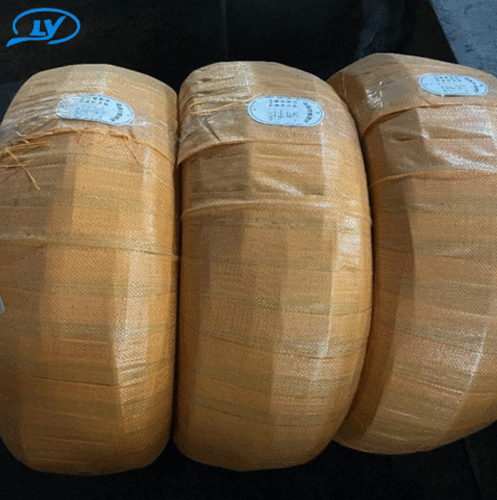
Understanding 65Mn Spring Wire
65Mn is a Chinese standard spring steel grade known for its excellent comprehensive mechanical properties. The chemical composition includes approximately 0.62-0.70% carbon and 0.90-1.20% manganese, giving it a unique balance of strength, toughness, and hardenability. When properly heat-treated, 65Mn spring wire achieves a tensile strength ranging from 1000 to 1800 MPa, depending on the diameter and processing method. This makes it an ideal choice for applications requiring high elastic limit, fatigue resistance, and reliable performance under repeated stress.
Compared to ordinary carbon steel wire, 65Mn offers superior spring properties after quenching and tempering. The manganese content enhances hardenability, allowing the wire to achieve consistent hardness throughout its cross-section even in larger diameters. This characteristic is particularly valuable for precision tools where uniform mechanical performance is critical. As a leading Steel Wire manufacturer, suppliers produce 65Mn in various forms including round wire, flat wire, and shaped profiles to meet diverse industry requirements.
Why Precision Tools Depend on 65Mn
Precision tools operate under demanding conditions that test the limits of material performance. From micrometers and calipers to complex die sets and automated assembly equipment, every component must maintain dimensional accuracy and functional reliability over millions of cycles. 65Mn spring wire excels in these environments due to its exceptional fatigue resistance and elastic recovery properties.
One of the primary applications is in the production of precision springs used in measuring instruments. These springs must provide consistent force output over extended periods without deformation. 65Mn wire, with its high elastic modulus and minimal stress relaxation, ensures that measuring tools maintain calibration accuracy for years. Additionally, the material's good machinability allows manufacturers to form complex spring geometries with tight tolerances, a requirement that High Strength Wire products must consistently meet.
Application Case Study: Precision Measuring Instruments
A leading manufacturer of digital calipers recently switched to 65Mn spring wire for the internal return springs in their product line. The previous material, a lower-grade carbon steel, showed signs of fatigue after approximately 500,000 opening and closing cycles. After implementing 65Mn springs produced by a specialized Ly Steel Wire supplier, the company reported that test samples exceeded 2 million cycles without measurable performance degradation.
The improvement translated directly into product reliability and customer satisfaction. Field returns related to spring failure dropped by 78%, and the company was able to extend its warranty period from one year to three years. This case demonstrates how material selection directly impacts product quality and brand reputation in competitive precision tool markets. The Durable Steel Wire used in these springs was specifically processed with controlled grain size and surface finish to minimize stress concentration points.
Material Science Behind the Performance
The performance of 65Mn spring wire begins with careful raw material selection and controlled manufacturing processes. High-quality 65Mn is produced through electric furnace or converter smelting, followed by continuous casting and hot rolling. The wire rod then undergoes multiple drawing passes with intermediate heat treatments to achieve the desired mechanical properties. Surface quality is meticulously controlled, as even minor defects can become fatigue initiation points under cyclic loading.
Heat treatment is the critical step that unlocks 65Mn's spring properties. Quenching in oil followed by tempering at temperatures between 400 and 500 degrees Celsius produces a tempered troostite microstructure. This structure provides the optimal combination of hardness, toughness, and elasticity required for precision tool applications. Manufacturers specializing in Steel Wire production often offer customized heat treatment cycles to match specific customer requirements for hardness, tensile strength, and elongation.
Common Questions About 65Mn Spring Wire
What diameter range is available for 65Mn spring wire? 65Mn spring wire is commonly produced in diameters from 0.20 mm to 12.00 mm, with custom sizes available for specialized applications. Smaller diameters are typically used for delicate instrument springs, while larger diameters serve heavy-duty tool components.
How does 65Mn compare to stainless steel spring wire? 65Mn offers higher tensile strength and better elastic properties than most stainless spring steels at a lower cost. However, it lacks corrosion resistance and requires protective coating or plating for humid or corrosive environments. For precision tools used in controlled indoor environments, 65Mn is often the superior choice.
What surface treatments are compatible with 65Mn? Common surface treatments include zinc plating, nickel plating, phosphating, and oil coating. The choice depends on the application's corrosion requirements and aesthetic considerations. High Strength Wire suppliers typically offer multiple finishing options to meet specific customer needs.
What is the typical tolerance for precision-grade 65Mn wire? Precision-grade 65Mn spring wire is manufactured to tight dimensional tolerances, typically within ±0.01 mm for diameters under 3.00 mm. This precision ensures consistent spring performance and facilitates automated assembly processes.
Can 65Mn wire be used at elevated temperatures? 65Mn is suitable for continuous operation at temperatures up to approximately 150 degrees Celsius. For higher temperature applications, alloy spring steels such as 50CrVA or 60Si2Mn are recommended. Precision tools operating at room temperature will find 65Mn more than adequate.
Conclusion
As precision tool manufacturing continues to evolve, the importance of reliable spring steel materials cannot be overstated. 65Mn spring wire, with its proven mechanical properties, cost-effectiveness, and versatility, remains a top choice for engineers and designers worldwide. Whether producing delicate instrument springs or robust tool components, this material delivers the performance that modern manufacturing demands. By partnering with experienced Ly Steel Wire manufacturers and understanding the material's capabilities and limitations, companies can ensure their precision tools meet the highest standards of quality and durability.